

Comfort and Meaning at the End of Life — for Any Faith, or None
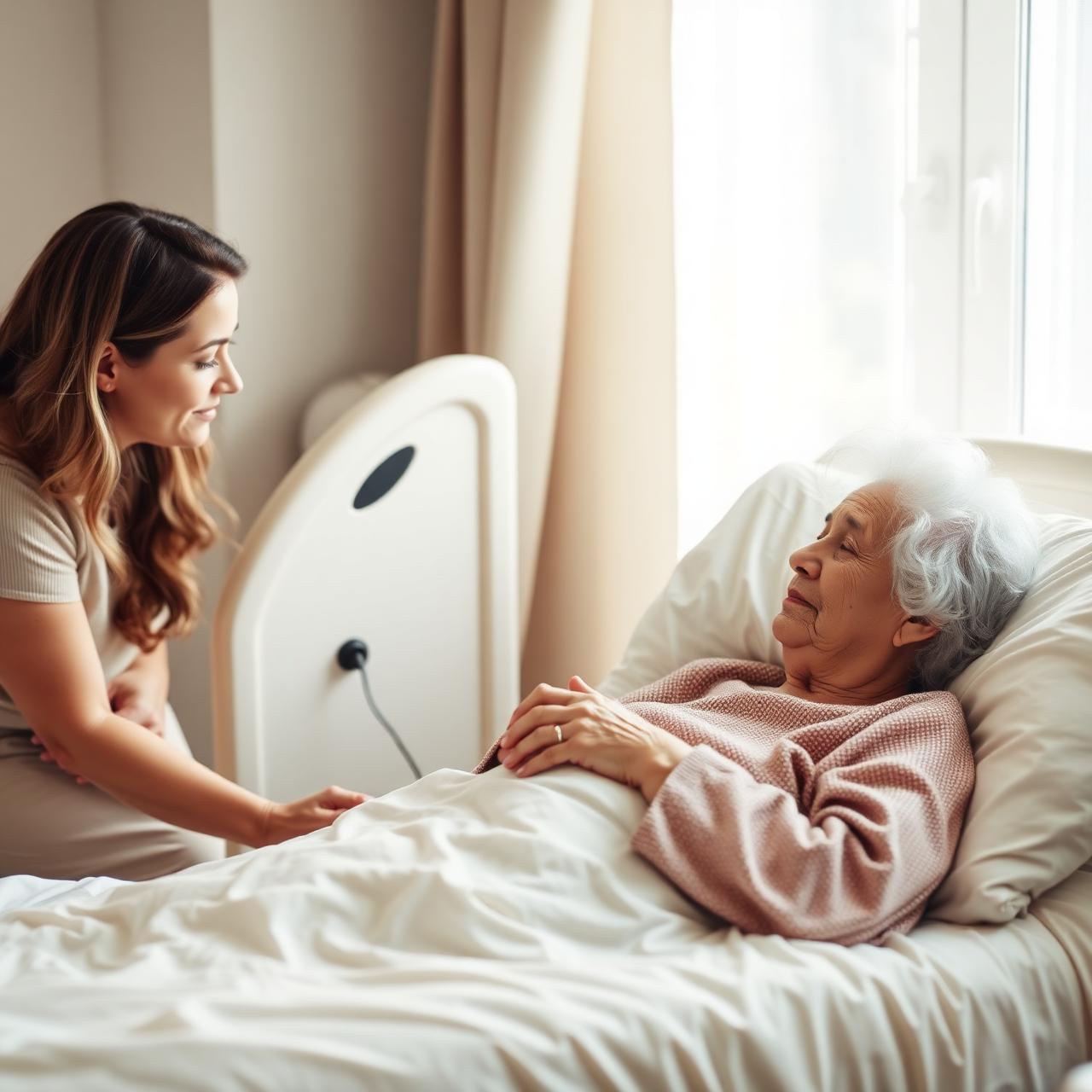
"Just stayed."
Presence is the work
When families call us, they often think hospice is about pain management, equipment, and nursing visits. And yes — it is all of those things. But what surprises most families, weeks or even days in, is how much of the real work happens in quiet conversations. In a chair pulled close to the bed. In a hand held without speaking.
The most important conversations at the end of life rarely have anything to do with medication.
They're about meaning. About relationships. About what someone wants to say before they can't. That's the territory our chaplains live in — and it's available to every patient and family we serve, regardless of faith background.
What a Chaplain Visit Actually Looks Like
People sometimes picture a chaplain showing up with a bible, ready to deliver a sermon. That's almost never what happens. A chaplain visit usually looks like one of these:
Sitting with a patient who wants to talk about their life
Helping a family work through old conflict before it's too late to resolve
Offering prayer or scripture for those who want it
Quiet companionship for someone who doesn't want to talk at all
Being present with families in the final hours
"The chaplain just stayed. That was the work."
For Any Faith — and for No Faith
Our chaplains are trained to support people across the full spectrum of belief — and non-belief.
For people of faith
Our chaplains can pray with you, read scripture, sit in silence, or simply listen. They meet you in the tradition that has shaped your life.
For people who are spiritual but not religious
Many people find meaning outside of organized religion. A chaplain can talk with you about life, legacy, regret, gratitude — without pulling you toward a doctrine.
For people who don't believe in any of it
A chaplain visit doesn't have to involve faith at all. Sometimes it's just another trusted person in the room — someone trained to be with you in hard moments.
A common question
"My loved one isn't religious — should we even accept the chaplain visit?"
We hear this all the time. The honest answer: yes, almost always. Our chaplains have spent years sitting with atheists, agnostics, lapsed Catholics, doubters, and people who simply never thought about it much. The visit shapes itself around the person.
Chaplains aren't there to convert anyone.

Caring for the Caregivers
Hospice is a family experience, not just a patient experience. Adult children, spouses, siblings — they're often making impossible decisions while running on no sleep, holding down jobs, and trying not to fall apart in front of their dying loved one.
They're processing a loss while it's still happening in front of them.
Our chaplains spend just as much time with families as they do with patients. Sometimes more. They listen to the guilt, the resentment, the old wounds that resurface, the fear of what comes next. They don't fix any of it. But they make it bearable to feel.
What Most Families Get Wrong
The most common mistake we see: families decline chaplain care up front because no one in the room is religious. Then, two weeks later, something hard happens — a hard conversation, a sudden decline, an unexpected feeling — and they call us back asking if the chaplain can come after all.
Decline Chaplain Care
No one feels religious — it's politely waved off.
Hard Conversation Happens
Grief, regret, or a difficult decision arrives unannounced.
Family Calls Back Later
We're glad to come — and we always do.
"If you're unsure, accept one visit."
One visit costs you nothing. It commits you to nothing. And more often than not, it opens a door the family didn’t know they needed open.
Built Into Your Care, at No Extra Cost
Spiritual care is part of every hospice plan we provide — included under your Medicare hospice benefit, with no separate fee. You can request a chaplain visit at any time, and you can always change your mind. If you’d like to talk to someone about whether it’s right for your family, we’re here.